Join Nature Notes-What are you or have you seen and enjoyed in nature? It can be from your own backyard, the local park, out on a hike or anywhere. What plants and animals catch your interest? Do you garden? Have you read a good book on nature?
I’m sorry, I am late. No excuse. I did want to clarify from my zoo post last week. I used photos from the Buffalo Zoo website as it was too hot and potentially wet for my good camera. I thought I had noted it and I had not and I am sorry about that.
It has been a very stormy and wet July. Seven inches of rain is a lot and our yard had 4 inches over a few hours so the pond was in our yard. We also had two varying length power outages, but nothing like the floods and fires that others are dealing with. I think we have reached the tipping point in climate change and Mother Nature is reacting.
The pond has receded and is back to its more quiet and relaxing self and I love to sit and just listen to the birds and insects and what nature while we have summer to enjoy…..
pond reflection
waterfowl
Have a wonderful nature-filled week! Please be safe.
Join Nature Notes-What are you or have you seen and enjoyed in nature? It can be from your own backyard, the local park, out on a hike or anywhere. What plants and animals catch your interest? Do you garden? Have you read a good book on nature?
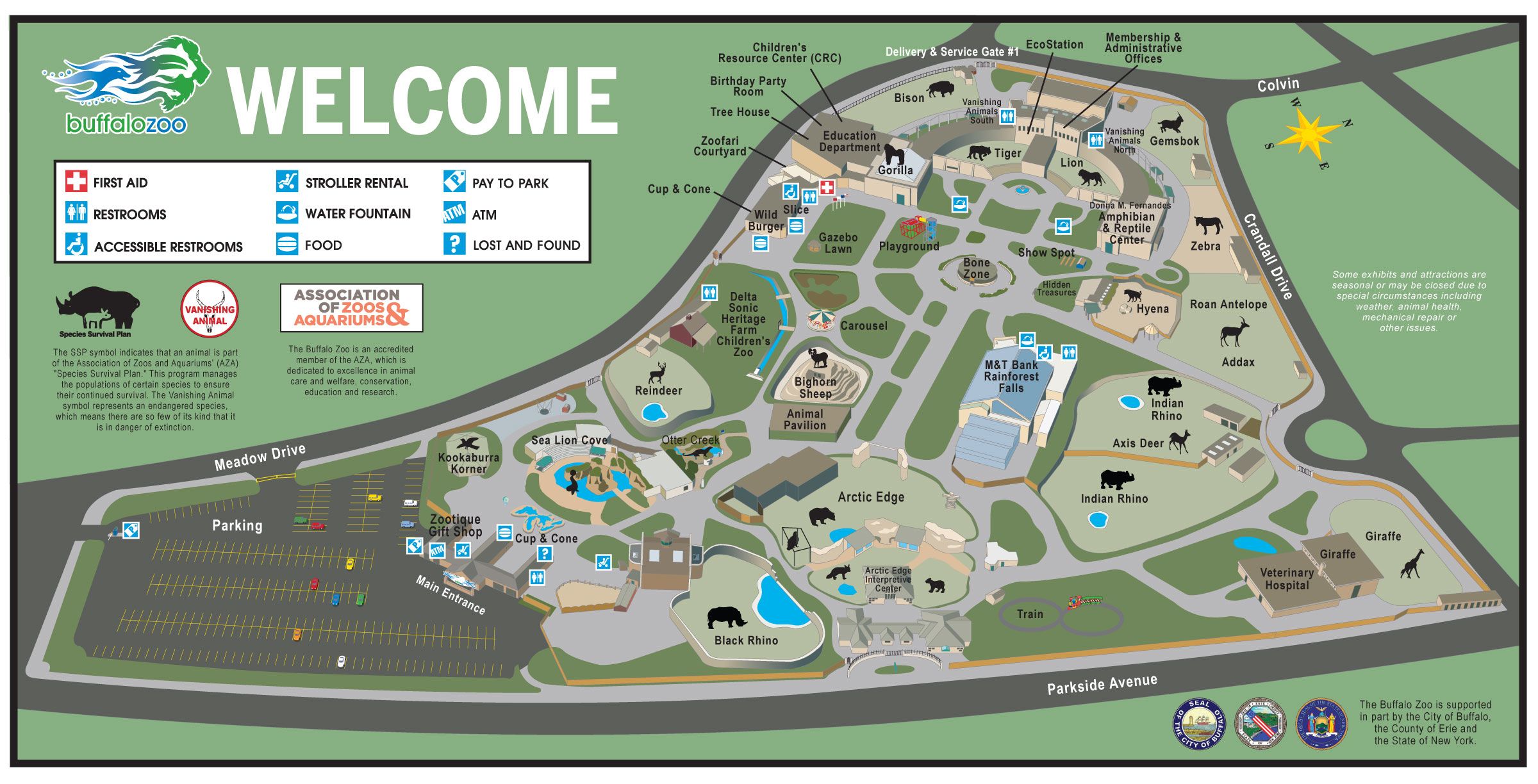
We took our 6-year old to our Buffalo Zoo (EST 1879) for the second time. I remember going to the zoo when I was a child and seeing the big cats in small cages just pacing back and forth and how much it bothered me that they were in tiny cages.
I haven’t been a kid in a very long time and thank goodness zoos like ours made huge changes. There are big areas where exhibits mimic where the animals actually would live and not tiny cages.
The Buffalo Zoo is a member of the Association of Zoos and Aquariums.
THE BUFFALO ZOO, AZA, AND YOU: A NATURAL CONNECTION
Zoos and aquariums are always fun and educational to visit. You can also feel great about your visit to the Buffalo Zoo for other reasons, too. As an institution accredited by the Association of Zoos and Aquariums (AZA), we’ve met rigorous, professional standards for animal management, veterinary care, wildlife conservation and research, education, safety, staffing, and more.
Fewer than 10% of the USDA-licensed wildlife exhibitors in the United States are accredited by the Association of Zoos and Aquariums. We are proud that the Buffalo Zoo has met the high standards set by AZA. When you purchase a ticket or make a donation, it helps fund our programs (including our conservation activities) and exhibits. We want to thank you for your part in the Buffalo Zoo’s continued success as well as the success of the Association of Zoos and Aquariums.
———————–
Blake loved the reptile exhibit best. We went back there 3 times so he could look at the snakes and frogs and was able to actually pet a snake which he said had “dry skin”, not wet skin.
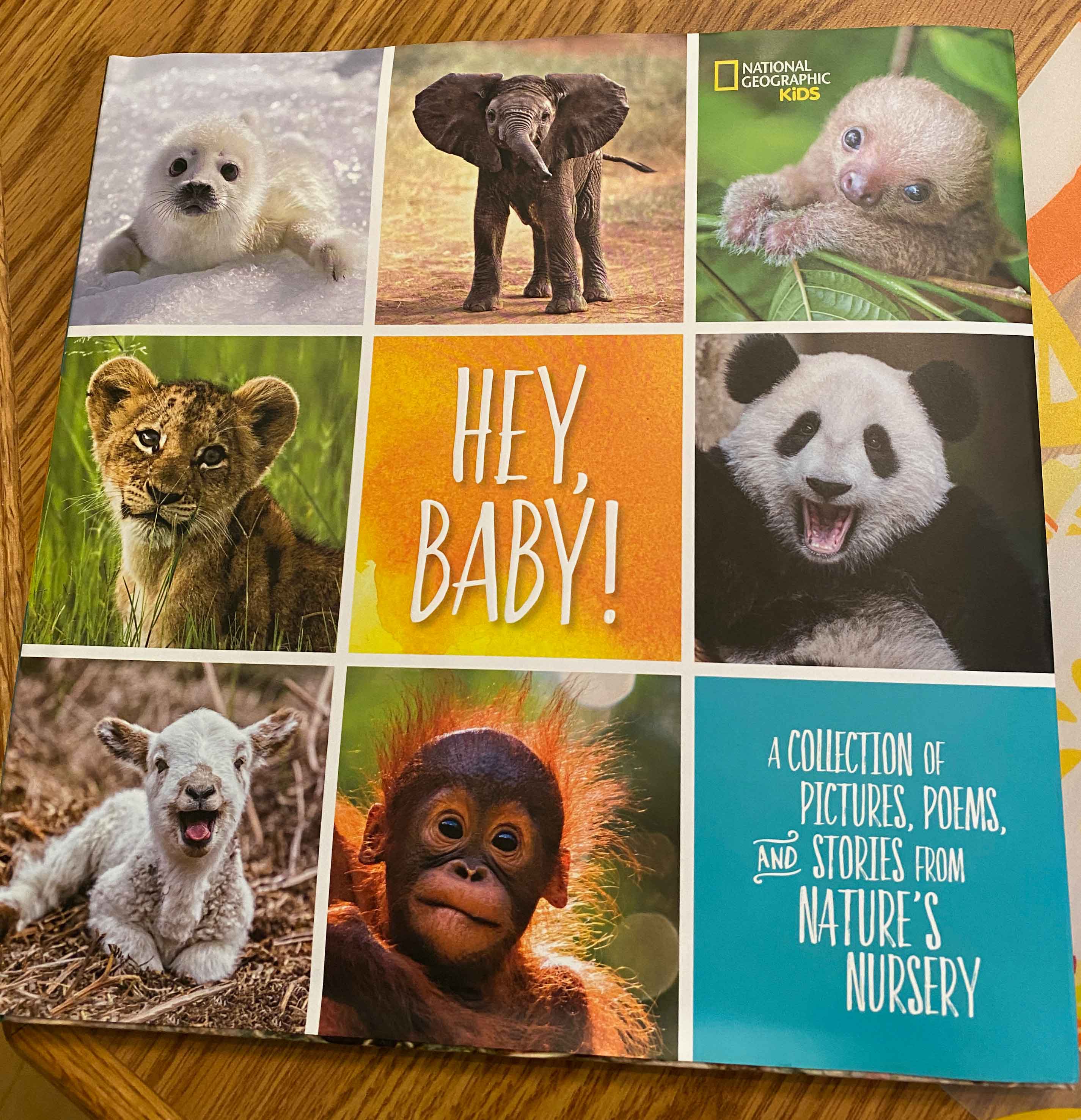
We went to the gift shop which supports the zoo and he went right to this book ignoring all the stuffed animals.
We were able to read the book and I could show him which animals I have here and what animals he may have near him. (Beaver, hawk, owls, bear etc.)
Being able to share my passion for wildlife and the environment is such a gift. I have missed teaching since I retired. There is nothing like seeing young eyes lighting up. I always knew I was a teacher.
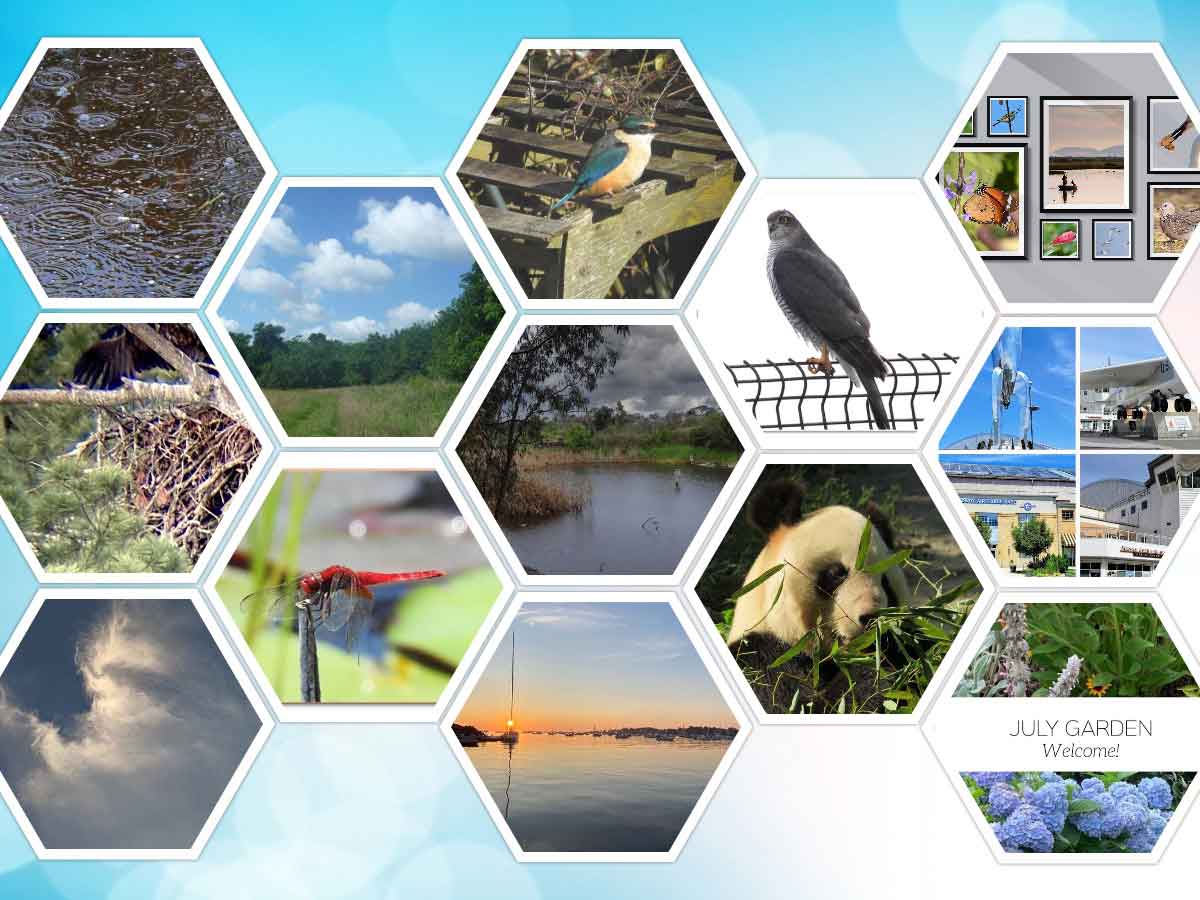
EDIT-These are zoo photos from the website. It was so hot and a chance of rain that I didn’t take my camera. I should have been more clear about that.
Join Nature Notes-What are you or have you seen and enjoyed in nature? It can be from your own backyard, the local park, out on a hike or anywhere. What plants and animals catch your interest? Do you garden? Have you read a good book on nature?
It is sad that we can’t just distribute Mother Nature’s work evenly or to those who need it. The western part of our country is in drought and we are getting too much rain here in western New York State. We think we can control so much but when we abuse the planet Mother Nature responds. I hope we take more action soon…
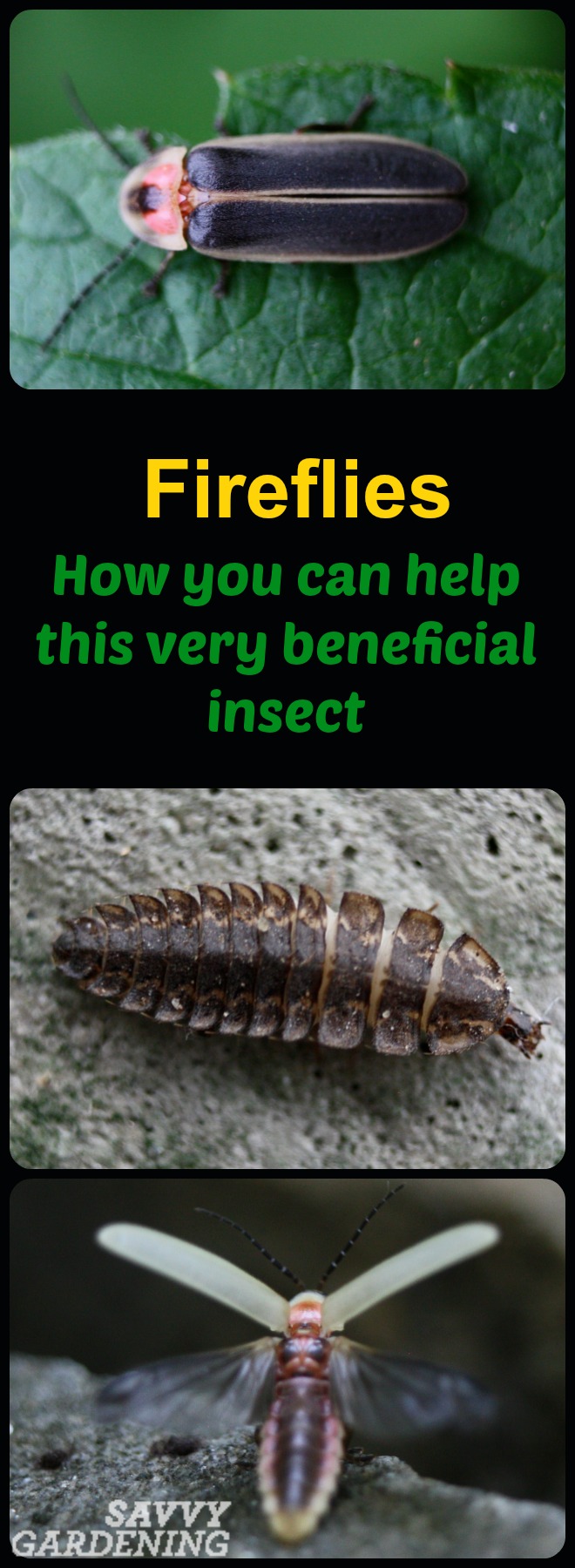
On that grim note as thought swill in my head, we had another chance to have our grandson here so I will be happily talking about insects with 6-year old Blake. He wants to come and see the fireflies as there aren’t any in his yard. Fireflies like all insects are decreasing.
Light-producing chemical reactions in a firefly’s abdomen cause certain cells on its underside to glow (right). The species shown in this illustration is Say’s firefly, one of about 175 known species of fireflies in the United States. Scientific illustration by Arwin Provonsha, Purdue Department of Entomology
There are a number of different species of fireflies, none of which are actually flies—they’re beetles. They get the names “firefly” and “lightning bug” because of the flashes of light they naturally produce. This phenomenon is called bioluminescence, and the bioluminescent organs in fireflies are found on the underside of the abdomen. A similar group of organisms are glowworms. The term “glowworm” can refer to firefly larva or wingless adult females—some of which are not in the firefly family Lampyridae. Both glowworms and fireflies are bioluminescent. The important distinction is that fireflies have wings and glowworms do not. Fireflies can reach up to one inch (2.5 centimeters) in length.
photuris firefly
Fireflies are found in temperate and tropical regions on every continent except Antarctica. They live throughout the United States in parks, meadows, gardens, and woodland edges. They are most commonly seen on summer evenings.
photo-Taylor S Kennedy
Firefly larvae eat snails, worms, and slugs, which they inject with a numbing chemical to disable. Adults eat other fireflies, nectar, or pollen, although some don’t eat at all.
All larvae are able to produce light to deter predators, but some species lose this ability in adulthood. Each species has its own pattern of light-flashing, which is controlled by the nervous system. Some species, such as the Pennsylvania firefly (Photuris pensylvanica), are still bioluminescent as adults and use their flashes to attract mates of their species. This species also uses light to attract their prey, the big dipper firefly (Photinis pyralis), which they eat to obtain defensive chemicals. Aside from mating and prey attraction, it’s thought that bioluminescence may be a defense mechanism for the insects—the light lets predators know that their potential meal isn’t very tasty and might even be toxic. A firefly typically lives for approximately two months in the wild.
Most firefly researchers agree that habitat loss and degradation, light pollution, pesticide use, and climate change are the leading threats to fireflies. Despite concerns about potential population declines, fireflies have received relatively little conservation attention. You can help initiate this important conversation by advocating for fireflies in your community, participating in community science projects that track their distributions, and taking steps at home to turn out your lights at night and identify, protect, and restore high-quality firefly habitat.
Everyone can contribute to firefly conservation. For detailed recommendations, check out our conservation guidelines and other resources highlighted below. Here are some simple actions you can take today:
Provide habitat! Set aside a part of your yard or garden where things can get a little wild
Avoid pesticide use, which can kill fireflies and their prey or degrade habitat
Turn off your outdoor lights at night, especially during the summer firefly season
******
Explore Radim’s award winning firefly photography and videos here:








 ramblingwoods.com