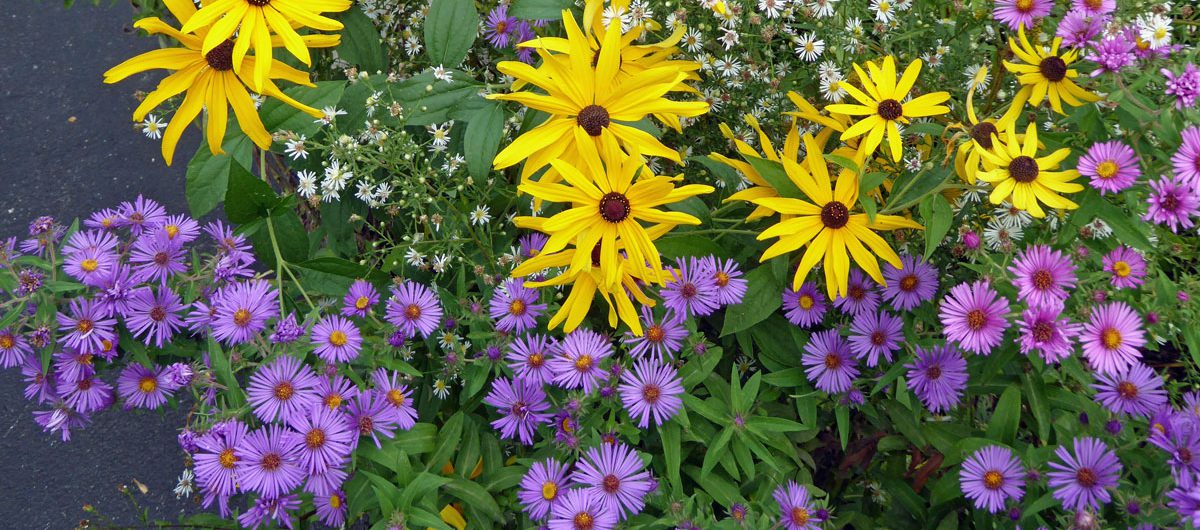

Join Nature Notes Sunday at 12:00 am EST to Friday at 11:00 pm EST. More information can be found at the top of the blog on a separate page, but it really is easy. What are you or have you seen and enjoyed in nature? It can be from your own backyard, the local park, out on a hike or anywhere. What plants and animals catch your interest? Do you garden? Have you read a good book on nature? Write a blog post with a photo, a story, a poem, anything goes because I love to see what Mother Nature is up to in your area. Please submit one blog post per week and link back to nature notes in some way.
Below are the participants from last week’s Nature Notes…Thank you…
| 1. | Rqauel Jimenez Artesania | 5. | Birgitta B. | 9. | LANDSCAPE |
| 2. | Pictografio | 6. | orchid( apan) | 10. | LICHEN |
| 3. | Pat –Talkeetna and the train to Anchorage | 7. | Junieper/ Jesh | 11. | LEAF |
| 4. | islandrambles |

This is wonderful news for monarch butterfly lovers who like me plant milkweed as a host plant and stand in awe at the amazing migration that these butterflies make from where I live up in New York all the way to Mexico. They overwinter and return in the spring to lay eggs in the south and the grandchilden of those monarchs lay eggs in my yard. Please plant for pollinators and don’t use pesticides as all pollinators and birds are on the decline sadly…
Monarch migration numbers continue to be impressive.

Monarch butterfly migration map
A word from Dr. Karen Oberhauser, University of Wisconsin-Madison Arboretum Director
An Amazing Year for the Eastern Migratory Monarch Population
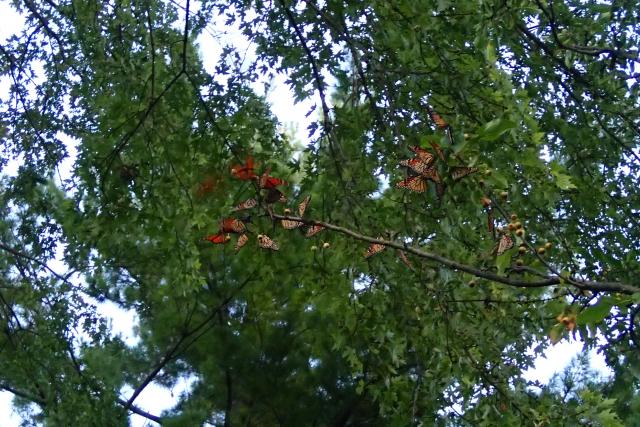
We hardly need data to tell us that the Eastern North American monarch population did well in summer 2019. We received reports of high numbers of eggs and larvae throughout the spring and summer, and, more recently, monarchs streaming south and congregating in dense roosting sites. These reports are coming from all over the northeastern quarter of the US and southern Canada. Journey North observers are reporting roosts containing hundreds and even thousands of monarchs. Many observers are wondering: Why are monarch numbers high this year?
First, last year was a good year for monarchs. Monarch numbers at the Mexico wintering sites were higher than they had been for over a decade, so more monarchs started the journey north this year than in previous years. Second, as monarchs started breeding in the southern US, they found better conditions; the drought had broken, and spring temperatures were conducive to quick development. Conditions were also good in the northern breeding grounds. It was wet, but not too wet, so milkweed and nectar plants were in good condition, but there weren’t a lot days that monarchs couldn’t fly because it was raining. It was warm, but not too warm. Extremely hot conditions slow monarch development and can lead to higher mortality, and cool conditions also slow development. Fast development minimizes the time that monarchs spend in their vulnerable egg and larva stages, and allow faster generation time. With more generations, monarch numbers can increase more during the summer.
Importance of Pollinator Gardens
Many of Journey North observers testify to the importance of pollinator habitat to migrating monarchs – whether these habitats appear along roadsides or backyard gardens. Every one of these habitats help to ensure monarch survival along the fall migration routes.
From Rochester, MN: Ron commented “Most of the Monarchs were on Joe Pye weed in my pollinator garden. I did not notice them until they flew away en masse but I managed to catch this one on a Tithonia. I have 4 Tithonia rotundifolia ‘Torch’ and the Monarchs love them. The Meadow Blazing Star is no longer blooming but the Monarchs were massed on them when they were in bloom.” (09/14/2019)
From Champaign, IL: Sheena reported, “We saw 6 Monarchs in the morning near the highway, either stopping for nectar on small patches of goldenrod and wildflowers… or trending south/ southwest with the wind.” (09/14/2019)
Huge Numbers of Monarchs Counted in Roosts and Peak Migration
Journey North observers continue to exclaim that they are seeing historic proportions of migrating and roosting monarchs. Monarchs counted in roosts continue to be impressive. Fall roost sightings are still concentrated in Upper Mid-West. When will monarch roosts start appearing in southern U.S.?
From Des Moines, IA: Theresa “saw many [maybe 50] Monarch’s roosting and flying.” (09/13/2019)
From Temperance, MI: Dake “arrived home about a half hour before dark and [about 1000 Monarch] butterflies we’re flying all around and they landed me and the neighbors trees.” (09/16/2019)
From Point Edward, ON: Karen noted, “There were several roosts in two trees and lots of Monarchs too many to count [maybe about 3000] on the large field that was planted in Goldenrod. This area is on the southside of Canatara Park and I had been at other parts of the park earlier that were loaded with monarchs on Goldenrod as well…People all over our city and county have been commenting on the large numbers of monarchs flying through the area. Many have mentioned that it’s unlike anything they have seen in close to 30 to 40 years.” (09/14/2019)
From Lakeshore, ON: Laura photographed a monarch with a tag from a roost [of about 1500]. (09/13/2019)
The most southern roost was reported by Thomas in Bement, IL.
From Bement, IL: Thomas reported, “After several evenings of a few visitors here and there, tonight marked the first night of big numbers. They started filtering in around 5:00 p.m. with peak numbers showing up around 6:30 p.m. Estimate at least 300, but groups are scattered amongst the many evergreen trees so totals are hard to tell. GREAT to have them back for a nightly visit and looking forward to tomorrow night to see if numbers hold.” (09/16/2019)
Arrivals to Mexico
A number of sighting of adult monarchs have been submitted by citizen scientists in Mexico.
From Acámbaro, GUA: Oscar Alejandro reportato, “Un par de mariposas monarca revoloteando y alimentándose en flores de Aclepias.” (09/04/2019) (trans: “A pair of monarch butterflies fluttering and feeding on Aclepias flowers.”) Link to sighting

Nature walks are wonderful. But you don’t have to travel to special location to enjoy Mother Nature. There is so much to see in your own neighborhood or even in your own back or front yard. Get a guide-book of the wildlife in your area and learn the calls of birds and frogs and toads. So many times I hear a bird that lets me know what I am looking for in the trees.
Have a wonderful week from Michelle!
 ramblingwoods.com